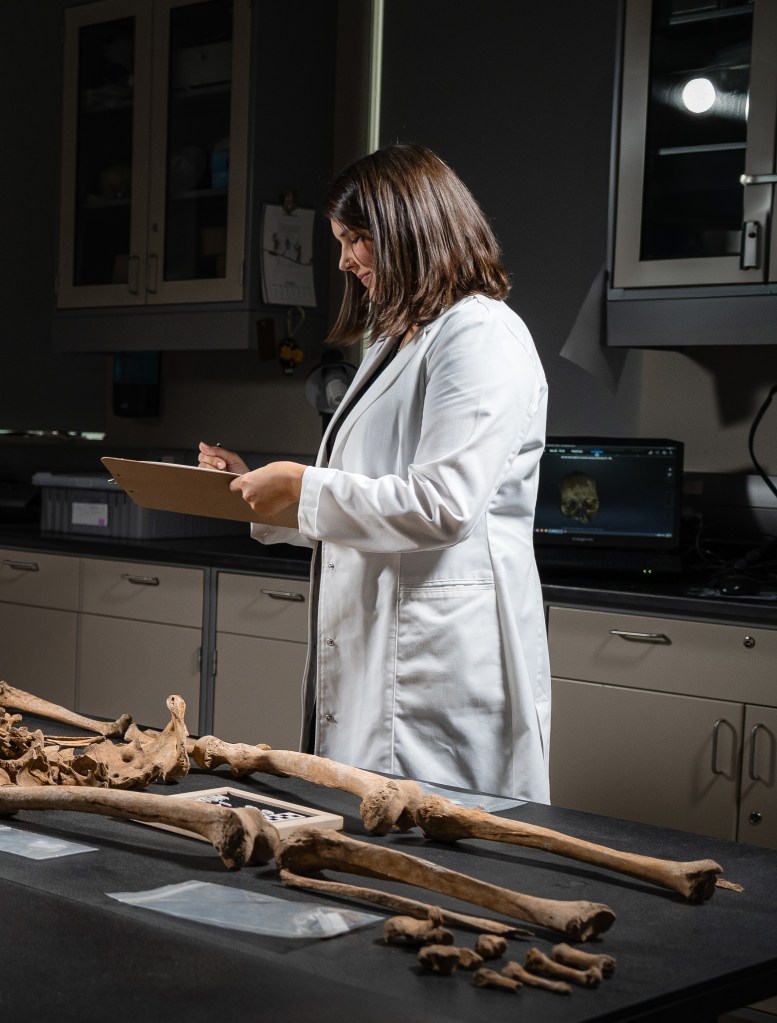
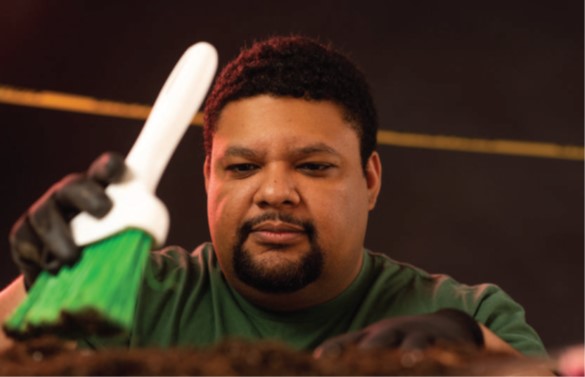
Dr. Jesse Goliath at work in the field, courtesy of Dr. Goliath

Summary

Dr. Jesse Goliath of Mississippi State University joins the show to talk about forensic anthropology, including how he ended up in forensic anthropology and how he developed the Mississippi Repository for Missing and Unidentified Persons. We also talk about the complicated relationship between race and forensic anthropology, along with the importance of bringing diverse perspectives to the field.

Recommendations

Ways to get in touch with Dr. Goliath or the Mississippi Repository for Missing and Unidentified Persons

Dr. Goliath

Instagram: @jesse.r.goliath

X/Twitter: @jessegoliath

Bluesky: @jessegoliath.bsky.social

Mississippi repository for missing and unidentified Persons

Website: missinginms.msstate.edu

Facebook: facebook.com/Missinginms1

X/Twitter: @missinginms

Instagram: @missinginms

Bluesky: @missinginms.bsky.social

Dr. Drea with lemurs, courtesy of Dr. Drea

Summary

Dr. Christine Drea of Duke University joined the show to talk about mechanisms of female dominance, which is when females of a species are more dominant in groups than males. Dr. Drea looks at how genetics, hormones, and social dynamics interact with each other to result in female dominance in hyenas, meerkats, and lemurs.

Content warning: We talk about animal genitalia and hyenas’ traumatic birthing process.

Recommendations

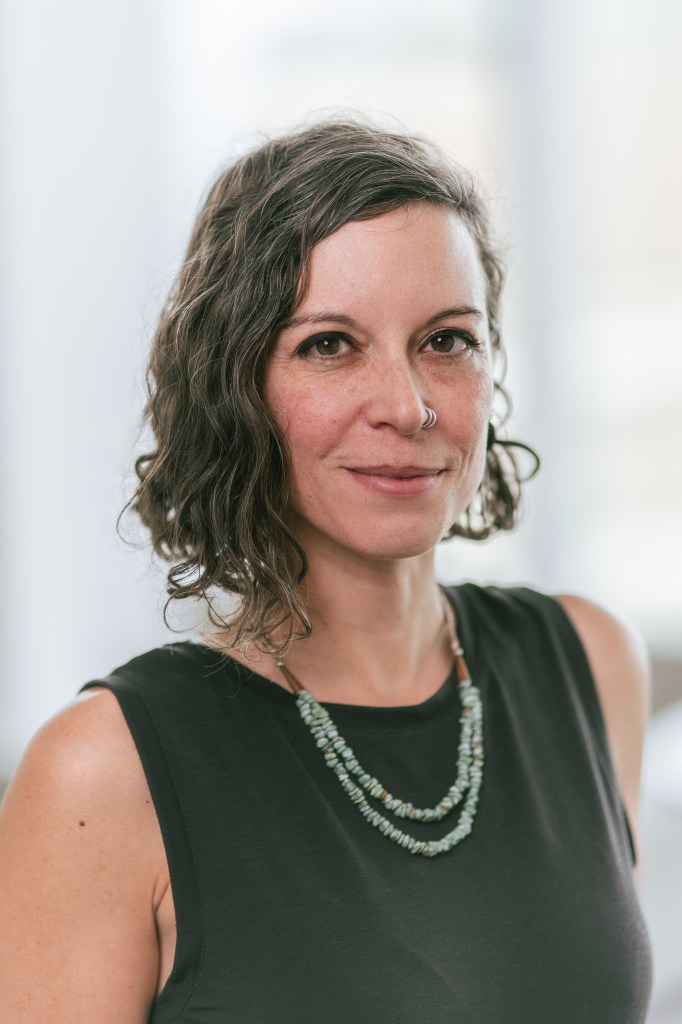
Dr. Lauren Butaric, photo courtesy of Dr. Butaric

Summary

Dr. Lauren Butaric of University of Florida joined the show to talk about sinuses – what they are, why we have them, how they can be used in forensic contexts, and what they can tell us about people.

I personally love these anatomy-based discussions. It’s just so exciting to do a deep dive into these dark cavities.

Here are some of the articles I found helpful while prepping for this episode:

Recommendations

Image of Dr. Gwen Robbins Schug in a lab with a microscope and laptop. Photo courtesy of Dr. Robbins Schug.

Summary

Dr. Gwen Robbins Schug from the University of North Carolina – Greebsboro discusses some of the projects her lab is working on, including skeletal and dental pathology in past populations and istopic analysis of human remains. She also touches on the importance of integrating biological anthropology into climate change and global health policies.

These two articles are great examples of how bio anthro could inform policymaking:

Honestly, we probably could have done an entire show on just one article. And I might do that in the future. For now, I encourage you to read the articles. They illustrate how answering questions about our past can help us build a better future.

Recommendations

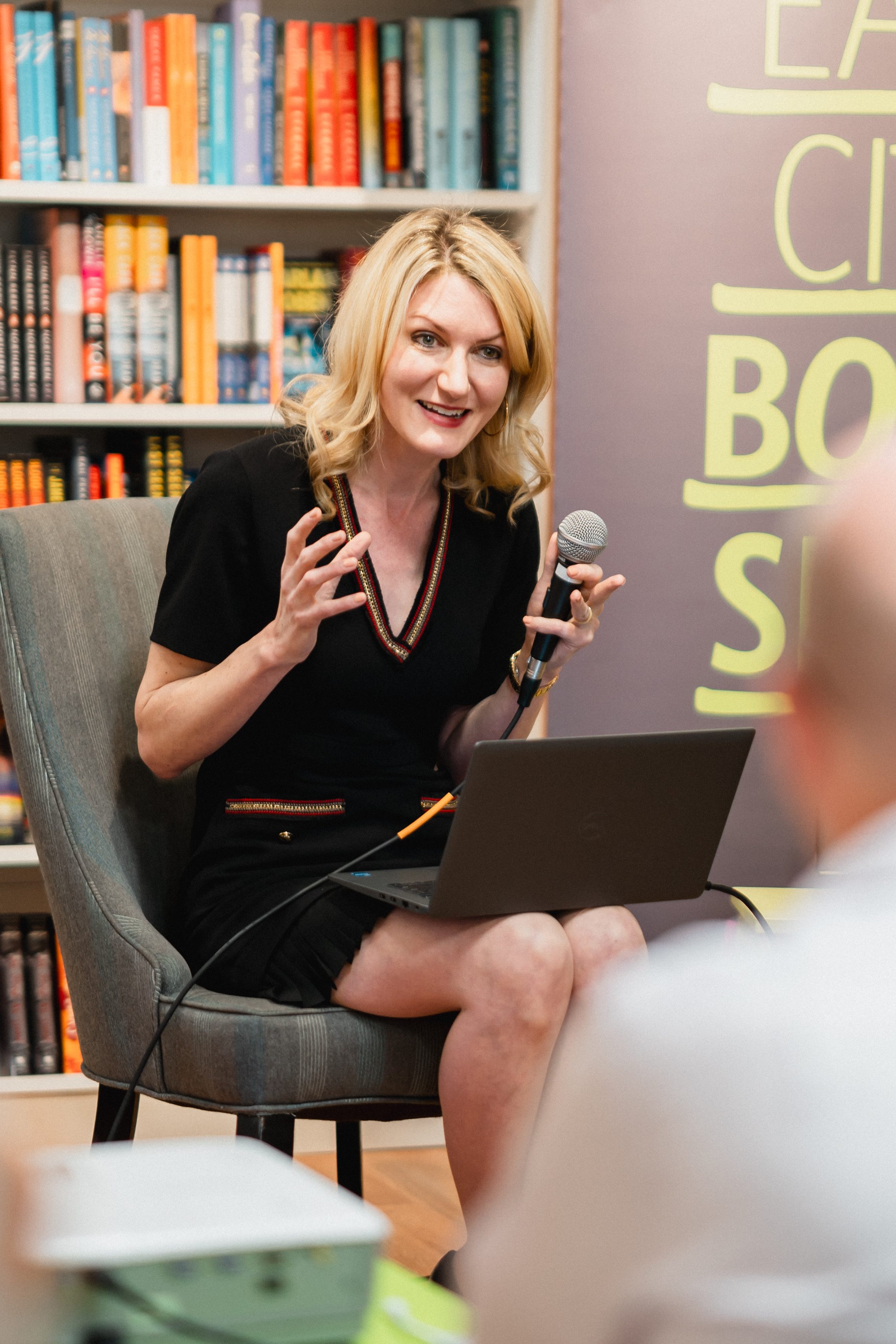
Dr. Sholts at her book launch. Image courtesy of Dr. Sholts.

Summary

Dr. Sholts of the Smithsonian National Museum of Natural History joins the show to discuss her new book, The Human Disease: How We Create Pandemics, from Our Bodies to Our Beliefs. Dr. Sholts uses an anthropological lens to understand epidemics. She touches on One Health, historical and current epidemics, the role misinformation plays in the spread of disease, and science communication.  

Recommendations

Dr. Mark Griffin in his lab at SFSU. Image courtesy of Dr. Griffin.

Summary

Dr. Griffin of San Francisco State University joins the show to discuss dental caries and toothwear in pre-contact Native American groups. 

Recommendations

Dr. Danny Wescott. Image courtesy of Dr. Wescott.

Summary

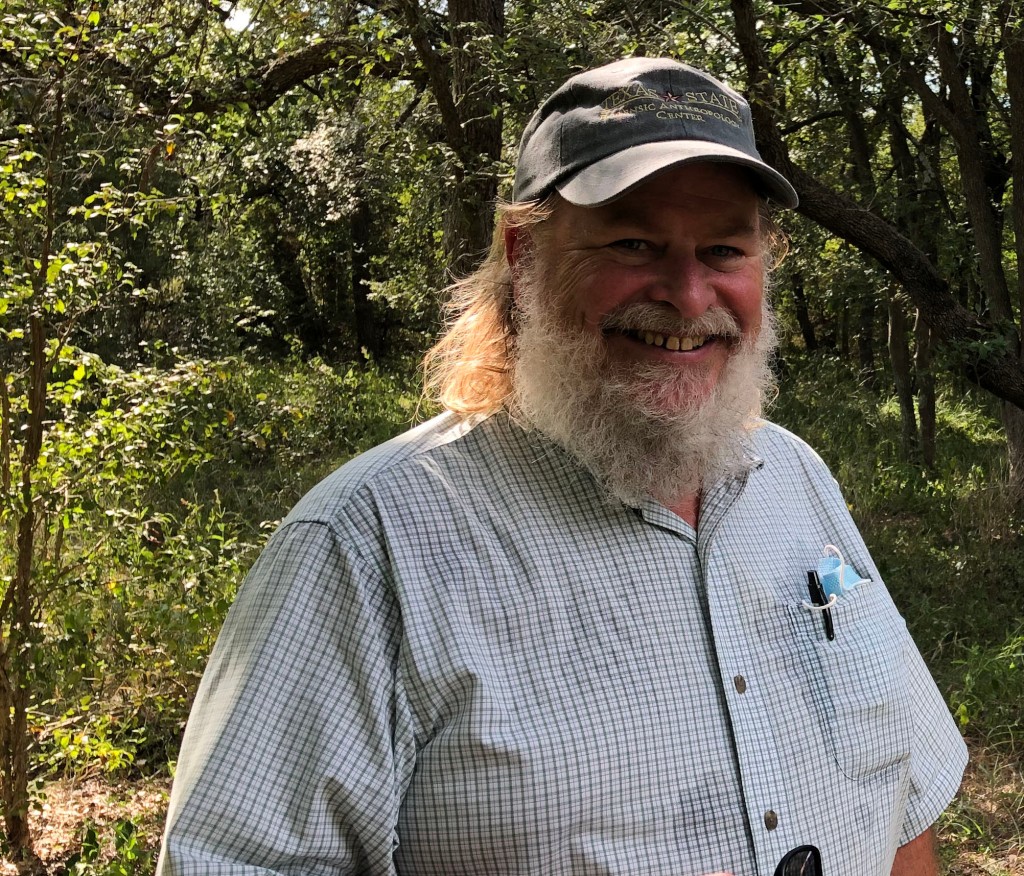
Dr. Wescott of Texas State University joins the show to discuss the Texas State body farm (Forensic Anthropology Center at Texas State – FACTS) and the forensic research carried out there.

Recommendations

Summary

Dr. Goodson (Cambridge University) and Dr. Trombley (Augustana University) join forces on the show to discuss their bioarchaeological-historical collaboration to understand the Medieval mouth. 

Recommendations

Dr. Trombley in the field. Image courtesy of Dr. Trombley.

Summary

Dr. Trent Trombley of Augustana University joins the show to talk about his research at Villamagna, a medieval settlement outside of Rome. He uses macroscopic analysis of teeth along with a few other methods to understand life in the past.

Recommendations

Dr. Clark Spencer Larsen. {c} http://www.johnnixonphoto.com. Image provided by Dr. Larsen.

Summary

Dr. Clark Spencer Larsen of Ohio State joins the show to discuss his history in the field, bioarchaeology, and how we can use biological anthropology to understand human health in the past. 

Recommendations