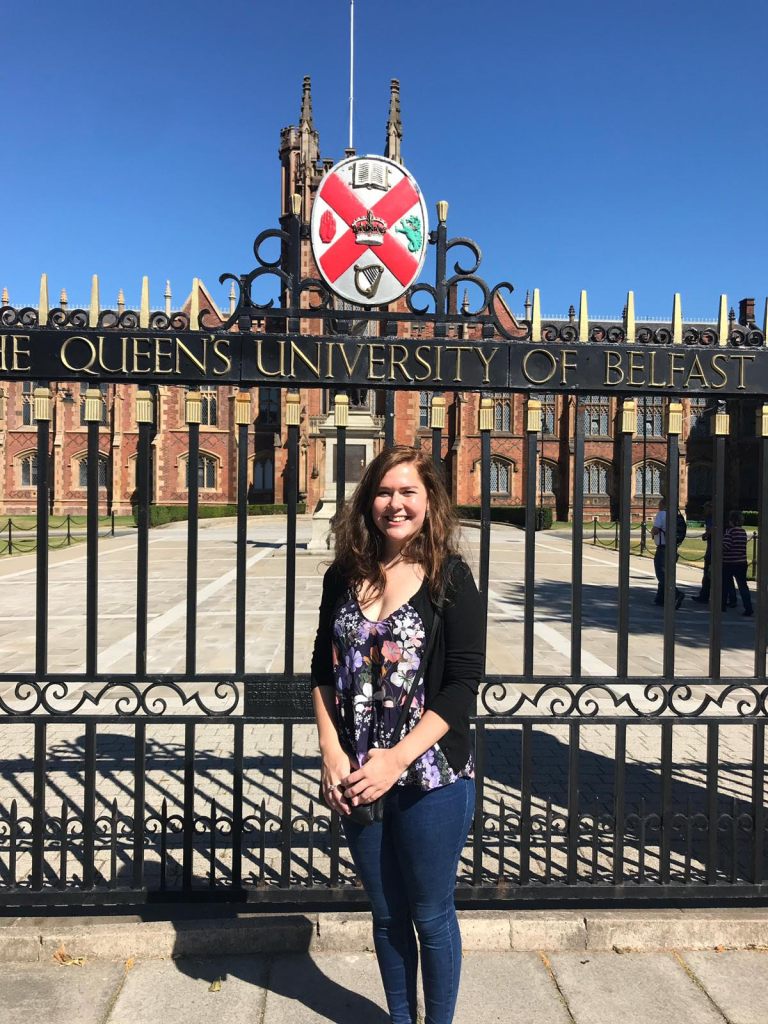
Stine Carlsson, courtesy of Ms. Carlsson

Summary

Stine Carlsson is a PhD candidate at Queens University Belfast in Northern Ireland. We discuss strategies for finding a good grad program, dealing with toxic academic environments, choosing a path, and skeletal stress indicators. 

Recommendations

Dr. Robert Mann with Gaby Lapera on screen, courtesy of Dr. Mann

Summary

Dr. Robert Mann of the University of Hawaii talks about his winding path in biological anthropology. He spent time in the military, as a consulting forensic anthropologist, and in JPAC/DPAA.

Recommendations

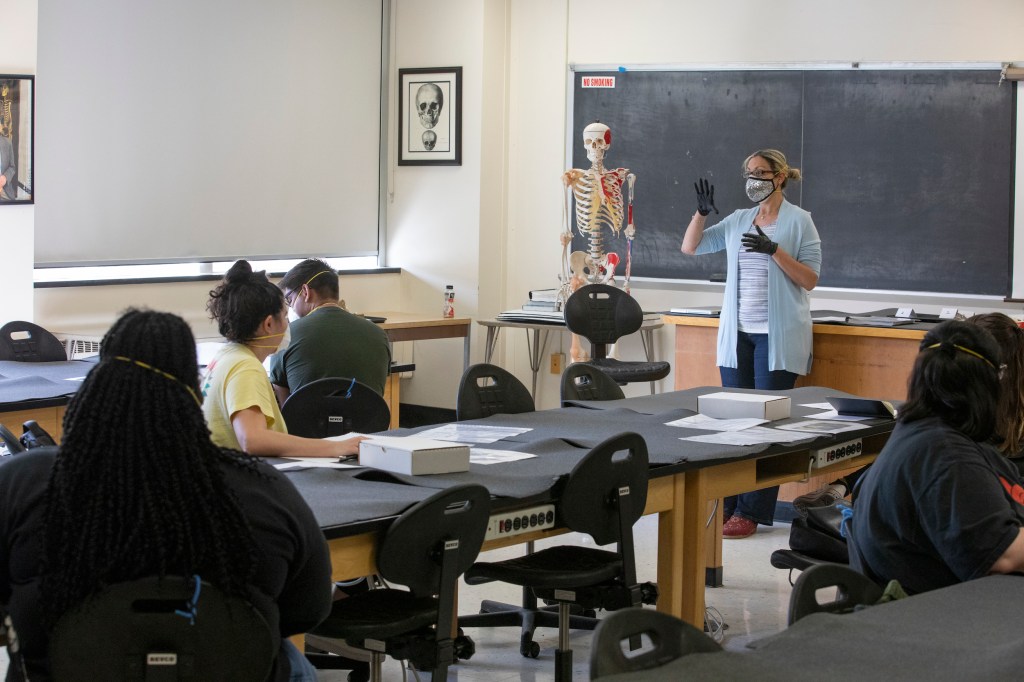
Associate Professor of Anthropology Elizabeth A. DiGangi leads a discussion on how to identify markings on a variety of animal bones during a graduate course, Anthropology 544: Methods in Forensic Anthropology, in Science I, Thursday, March 25, 2021.

Summary

Dr. DiGangi from SUNY-Binghamton and Dr. Bethard from the University of South Florida joined the show to discuss their position papers on the use of ancestry in forensic sciences and in the justice system.

Recommendations

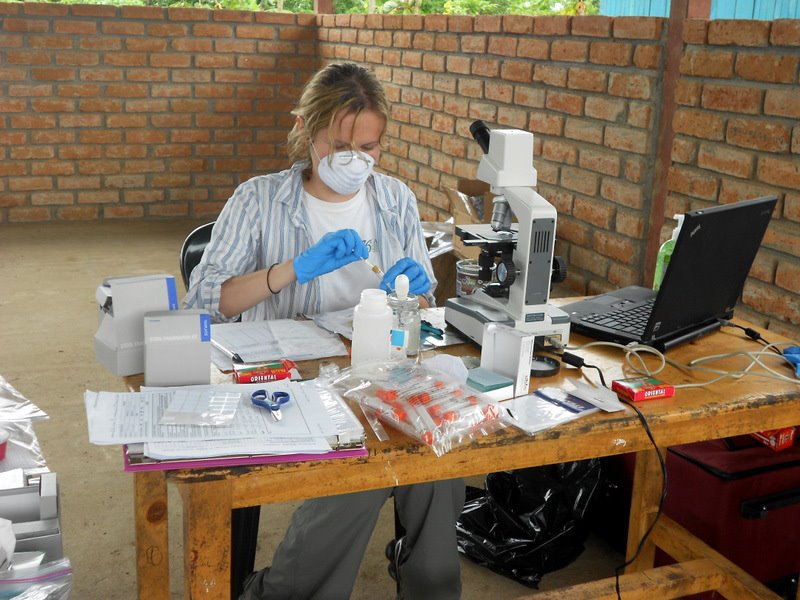
Dr. Tara Cepon-Robins processing samples in the field, courtesy of Dr. Cepon-Robins

Summary

Dr. Tara Cepon-Robins of the University of Colorado – Colorado Springs joined me to talk about worms. She talks about humans’ evolutionary arms race with parasites, measuring disgust, and her work among the Shuar people and in the rural southern United States.

Recommendations

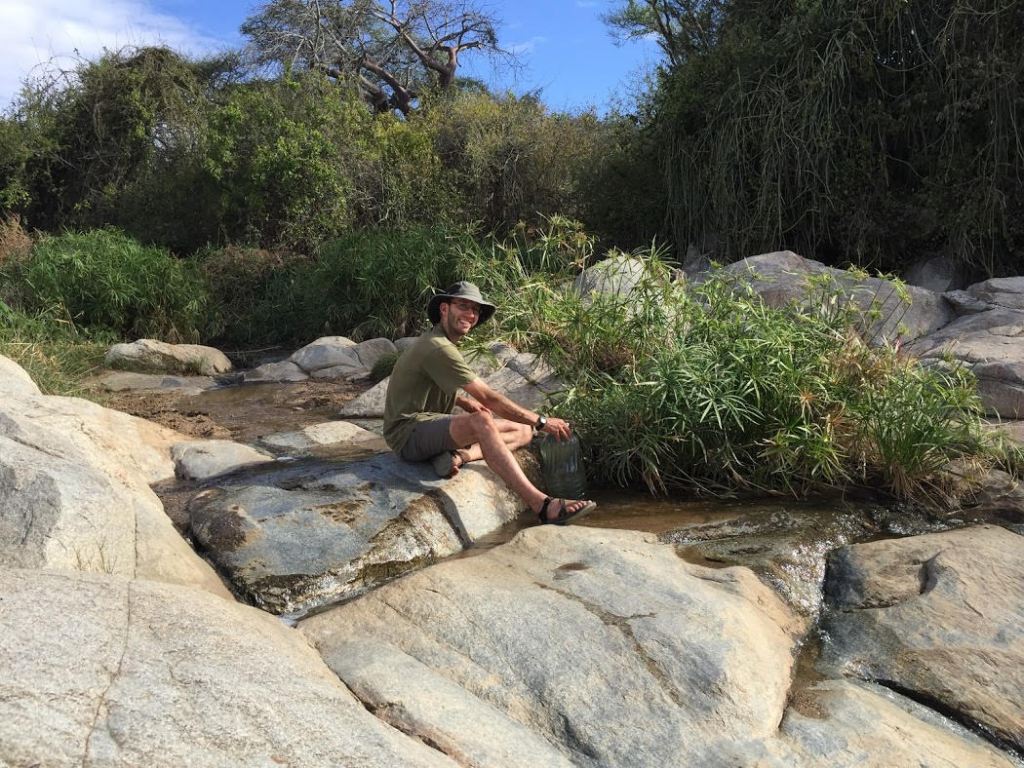
Dr. Herman Pontzer in the field, courtesy of Dr. Pontzer

Summary

Dr. Herman Pontzer of Duke is on the show this week to talk about human metabolism and his new book, Burn. He helps answer questions like: How much energy can a person burn in one day? Does exercise help you lose weight? Do people with different subsistence strategies have different metabolisms? We also talk about his work with the Hadza.

Recommendations

Dr. Cara Ocobock (Photo by Matt Cashore/University of Notre Dame)

Summary

Dr. Cara Ocobock of Notre Dame joins the show to discuss human energetics in high-latitude populations, and the potential downstream health consequences of a changing environment. (Learn why reindeer herders are rad!) She also shares insights on science communication and how we can do it better. (Learn how to talk to your science-averse relatives today!)

Recommendations

Dr. Janna Andronowski of Memorial University of Newfoundland, courtesy of Dr. Andronowski

Summary

Dr. Janna Andronowski of Memorial University of Newfoundland talks about bone histology. We’re bringing it back to basics with how bones grow, how they “know” what shape they should be, and how bones regulate themselves. Also, we discuss what a cellular examination of bone can tell you about a person.

Recommendations

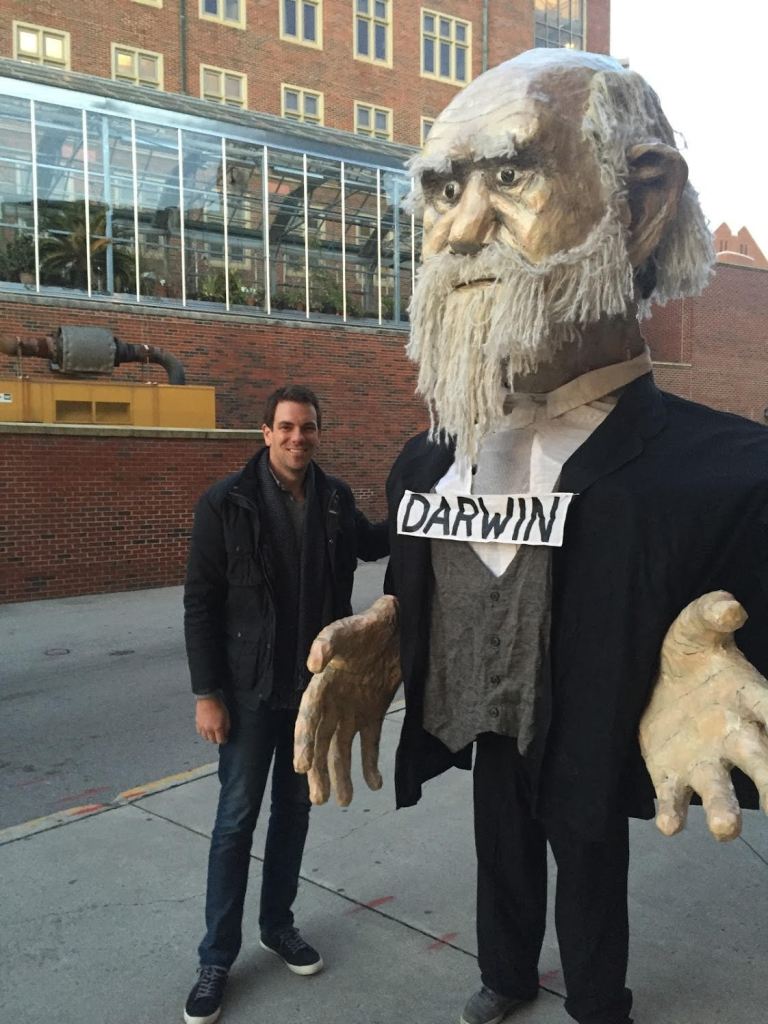
Dr. Nathan Young of UCSF with Charles Darwin, courtesy of Dr. Young

Summary

Dr. Nathan Young of UCSF discuss evolutionary developmental biology using the limb as a model to understand the perspective. We talk about the importance of marrying all three disciplines to discover insights that otherwise wouldn’t be within the purview of a single field.

Recommendations

References:

Dr. Eric Bartelink of CSU – Chico, courtesy of himself

Summary

Dr. Eric Bartelink of CSU – Chico guides us through an intro to stable isotope analysis, and how it can be used in forensic and historic or ancient contexts to understand how people migrated and what their diets were like. Dr. Bartelink highlights the importance of embracing a multi-disciplinary approach to advancing anthropology. 

Recommendations

Dr. Sean Tallman in his AAPA Pride shirt! Photo courtesy of Dr. Tallman

Summary

Dr. Sean Tallman talks about crafting new metric and nonmetric methods for sex estimation in modern populations — especially in groups that have been historically ignored or conflated with others in the past. Additionally, Dr. Tallman shares his research on the current state of diversity and inclusion in forensics and biological anthropology. We also discuss: How can diversity shift how research is done? What are some ways to make the field more inclusive?

Recommendations

References: