Summary

Dr. John Lindo of Emory talks about ancient DNA — how it works, what you can understand from it, and why it’s important. He explains how he’s using ancient DNA to understand the biological diversity of pre-contact indigenous groups in the Americas.

Recommendations

Dr. Iturriaga. Image courtesy of Dr. Iturriaga.

Summary

Dr. Nicole Iturriaga of UC – Irvine joined the show to talk about her book: Exhuming Violent Histories: Forensics, Memory, and Rewriting Spain’s PastIn this episode, we discuss the history of the Spanish Civil War, how forensics can help change perceptions and heal communities, and how the general public perceives forensic anthropology.

Recommendations

Dr. Julia Boughner in CBC’s The Future of Things. Image courtesy of Dr. Boughner.

Summary

Dr. Julia Boughner of the University of Saskatchewan talks about the evolution of human teeth. Why do adults have ~32 teeth? Are our jaws shrinking? What’s the deal with wisdom teeth? Does modern dentistry change our evolutionary path?

Recommendations

Summary

Ms. Selina Carlhoff, PhD candidate at the Max Planck Institute for Evolutionary Anthropology, talks about the basics of DNA, what you should know about ancient DNA, and some of the ethical complexities that come with studying prehistoric populations. She also fills us in on her article in Nature, “Genome of a middle Holocene hunter-gatherer from Wallacea.

Recommendations

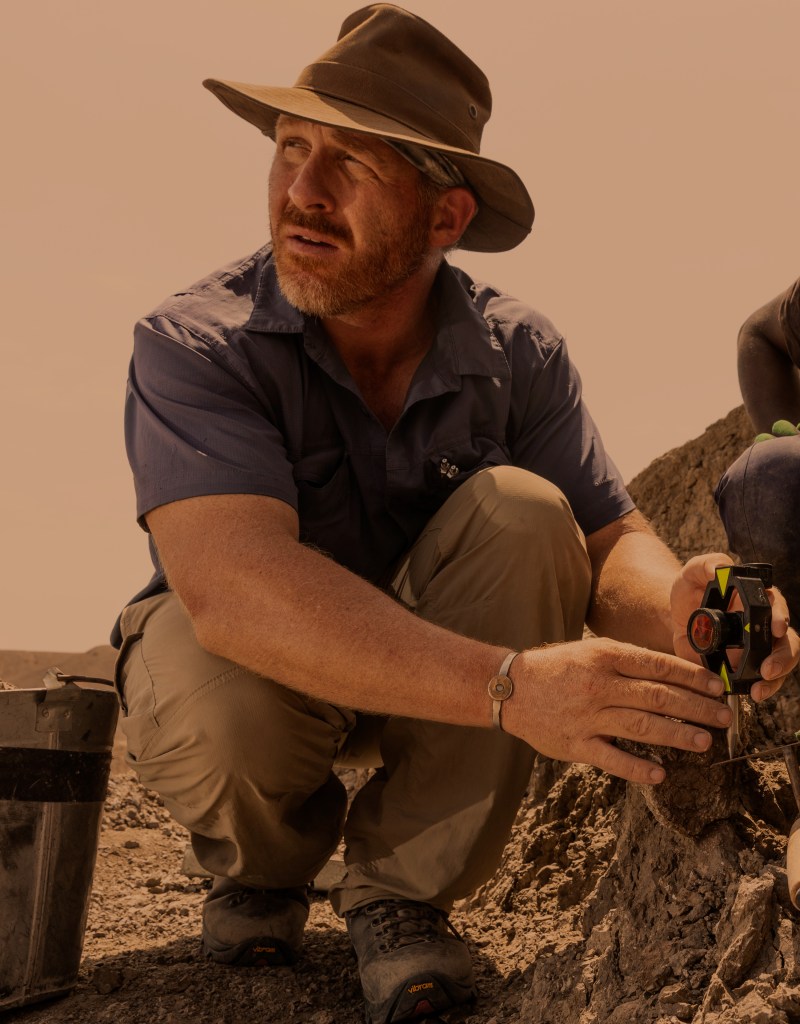
Dr. David Braun in the field. Courtesy of Dr. Braun.

Summary

Dr. David Braun of George Washington University’s Center for the Advanced Study of Human Paleobiology in the Anthropology Department chats about the cycles of tool use and niche construction. We talk about how one affects the other and vice versa in cycles, plus the interplay of greater environmental and climate change. Dr. Braun also discusses how we can look into the near and deep past to figure out environmental change.

Recommendations

Dr. Jonathan Marks, Notre Dame Institute for Advanced Study (Photo by Matt Cashore/University of Notre Dame)

Summary

Dr. Jonathan Marks of the University of North Carolina – Charlotte joins the show to talk about his book, Why Are There Still Creationists? Human Evolution and the Ancestors. We chat about one of the toughest conversations everyone who deals with evolution faces: Speaking with creationists. In the episode, Marks talks about theology and the surprising history between scientists and creationists.

Recommendations

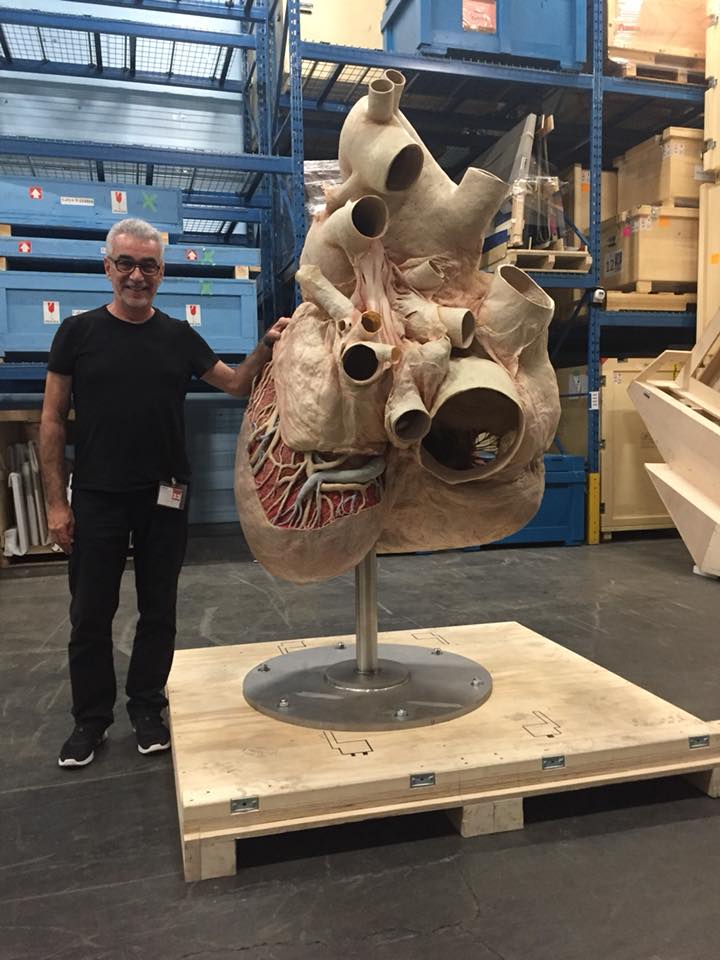
Dr. Bill Schutt standing next to a preserved blue whale heart at the Royal Ontario Museum. Courtesy of Dr. Schutt.

Summary

Dr. Bill Schutt, zoologist and author, joins the show to talk about his latest book, Pump: A Natural History of the Heart. We chat about the evolution of hearts, how people learned about how hearts work, and science writing. 

Check out his book here.

Recommendations

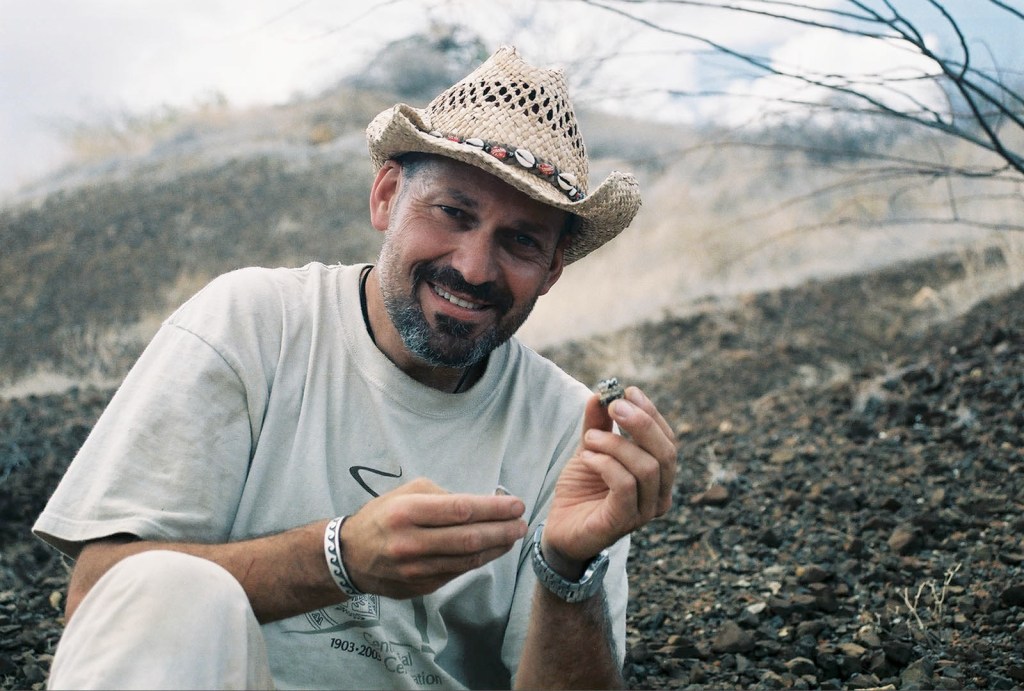
Dr. Robert Anemone in the field, courtesy of Dr. Anemone

Summary

Dr. Robert Anemone of the University of North Carolina – Greensboro joins the show to talk about how advances in geospatial tech can help paleoanthropologists find productive sites, along with how he’s used it in his real life field work in the Great Divide Basin of Wyoming.

Recommendations

Summary

Dr. Sarah Kindschuh of the DPAA discusses what it’s like to work for federal government to recover and identify members of the U.S. armed services. We also chatted about advice for undergraduates interested in pursuing work as anthropologists.

Recommendations

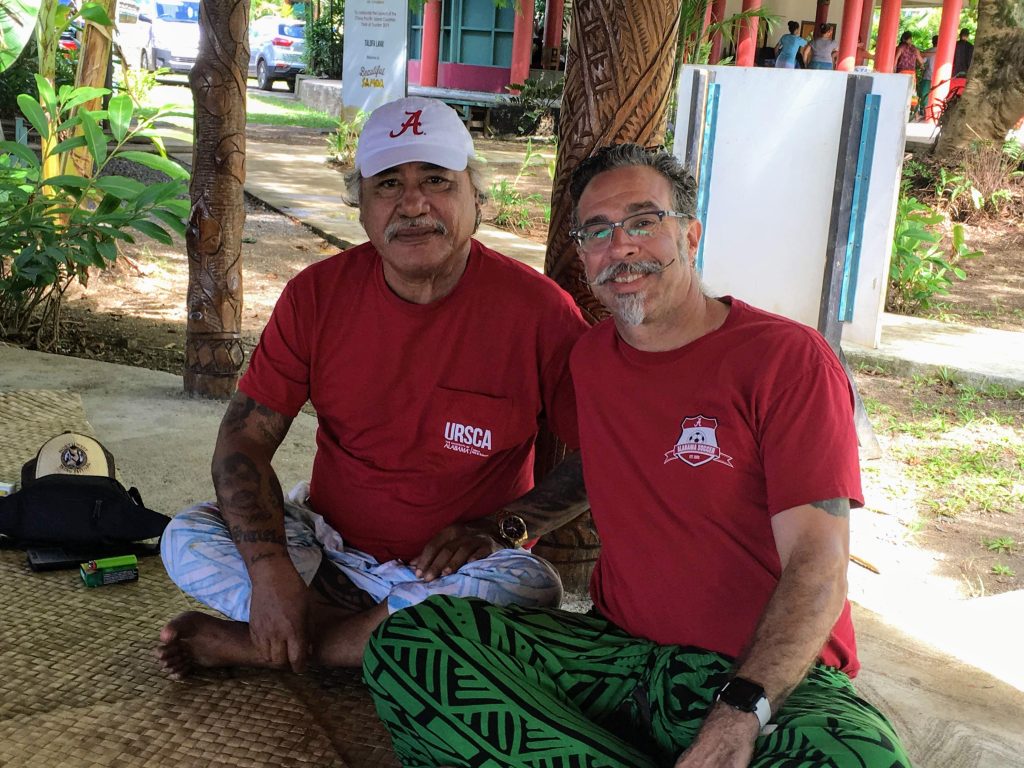
Dr. Christopher Lynn (right) in the field, courtesy of Dr. Lynn

Summary

Dr. Christopher D. Lynn of the University of Alabama joins the show to talk about tattoos and what they can tell us about immune function, health signaling, and cultural meanings. Plus, we talk about sci comm!

Recommendations